Clinical & Wellness Partnerships · ÖND | Life's Breath™
Where Design Meets Medicine
ÖND | Life's Breath™ is the only luxury design philosophy with direct clinical partnerships at the frontier of regenerative, longevity and wellness medicine. Every partner has been personally selected by Kenneth Bordewick for their extraordinary expertise and shared commitment to human flourishing.
The ÖND Partnership Model
Design Intelligence, Physician & Specialist Confirmed
The living environment has a measurable, documented effect on human biology. Circadian lighting governs cortisol and melatonin. Air quality determines inflammatory load. Water purity affects cellular function. Material choices determine microplastic accumulation. These are not design opinions — they are medical facts.
Kenneth Bordewick has spent over two decades working alongside physicians and specialists at the leading edge of regenerative and longevity medicine. ÖND formalises these relationships through six of the most respected names in their fields — individuals whose work directly informs the environments we create.
The First Dimension of the Living Environment
The Regenerative Home
The body's capacity for self-repair is not fixed. It is a dynamic, governable process — one that is accelerated or retarded, supported or silently sabotaged, by the environment in which the body spends most of its hours. Modern regenerative medicine has established this with mounting clinical precision: the designed environment is not a backdrop to biological life. It is a participant in it, influencing cellular health, hormonal balance, inflammatory burden, and the integrity of the systems that determine how long and how well a person lives.
Consider the role of light alone. The circadian system — the body's master clock — governs the secretion of melatonin, cortisol, growth hormone, and testosterone in tight synchrony with the light environment. A home that permits blue-spectrum artificial light after dusk does not merely disturb sleep; it suppresses growth hormone secretion by up to sixty per cent, elevates evening cortisol, and disrupts the nocturnal repair cycle during which the liver, the immune system, and cellular DNA conduct their most essential restorative work. This is not a wellness preference. It is a clinical consequence of a design decision.
The air quality of the average interior is measurably worse than the outdoor air surrounding it — laden with volatile organic compounds from synthetic finishes, furnishings, and adhesives; with fine particulates from combustion and mechanical systems; with biological contaminants from inadequate filtration. Chronic, low-grade inhalation of these compounds elevates systemic inflammatory markers — the same markers that predict cardiovascular disease, cognitive decline, and immune dysfunction. The material choices made in the design of a room are, whether their maker acknowledges it or not, decisions about inflammatory load.
Water purity governs more than hydration. The endocrine-disrupting compounds present in unfiltered municipal water — chlorination by-products, pharmaceutical residues, heavy metals, micro-nanoplastics — interact with cellular receptors in ways that alter hormone signalling, compromise mitochondrial function, and accelerate oxidative ageing. A whole-home water filtration system is not an amenity. It is a clinical intervention. Its absence, in a home designed to support longevity, is an oversight with measurable biological consequences.
It is this understanding — hard-won over decades of clinical practice — that Dr. Thom E. Lobe brings to ÖND. His is not the language of wellness trends or biohacking enthusiasm. It is the language of peer-reviewed science, surgical precision, and five decades at the frontier of regenerative medicine. When he reviews an ÖND environment, he does so as a physician assessing a clinical context: the home as either a regenerative asset, or a quiet adversary undoing every other health investment its occupant has made.
Clinical Partner — Regenerative Medicine
Dr. Thom E. Lobe
MD · FACS · FAARFM · ABAARM
Dr. Thom E. Lobe is one of the most distinguished figures in regenerative and anti-aging medicine — a surgeon, professor, pioneer and philanthropist with a career spanning five decades. Formerly of St. Jude's Research Hospital, where he spent over 20 years, Dr. Lobe is internationally recognised for pioneering minimally invasive and robotic surgical techniques and for translating the frontiers of regenerative science into clinical practice.
The founder of Regenevéda — with clinics in Los Angeles and Chicago — and co-founder of Advanced BioCell, Dr. Lobe specialises in advanced hormone therapy, peptide biology, cell-enhancing therapy, and regenerative medicine. He holds boards in anti-aging, regenerative and functional medicine (ABAARM) and is a Fellow of the American College of Surgeons (FACS).
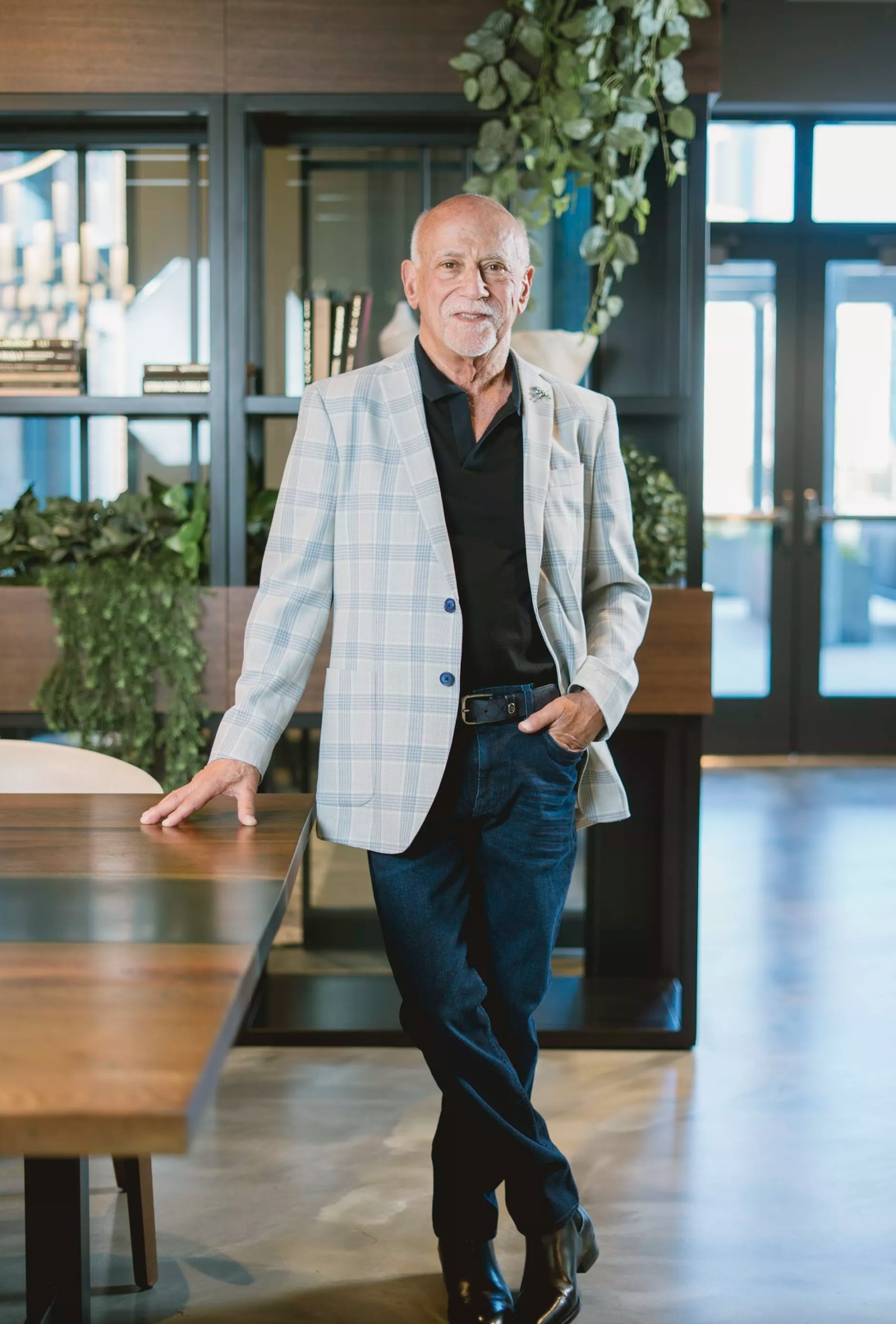
“The environment is not separate from the body — it is an extension of it. What surrounds us determines, in measurable ways, how well and how long we live.”
— Dr. Thom E. Lobe, MD
Partnership Scope
- ◆Clinical review of the Longevity Home Wellness Design Audit framework
- ◆Co-author — The Science of the Living Environment white paper
- ◆Physician oversight for Eboo blood oxygenation & ozonation protocols
- ◆Advisory input on circadian lighting, air & water specifications
- ◆Medical Director — Your Stem Cells for Life
The Second Dimension of the Living Environment
The Longevity Imperative
The science of longevity has undergone a revolution. What was once the province of speculation and aspiration has become, in the last two decades, a rigorous clinical discipline — one populated by some of the most formidable minds in medicine, supported by peer-reviewed research of extraordinary depth, and producing outcomes that have fundamentally revised what is considered possible in the arc of human ageing. The question is no longer whether biological age can be slowed or reversed; the evidence confirms that it can. The question is what, precisely, governs it.
The answer, with increasing consistency, points to environment. Not merely diet or exercise or pharmaceutical protocol — though each has its rightful place — but the totality of the biological context in which a person lives. Epigenetic research has established that the expression of the human genome — which genes are activated, which are silenced, and at what rate the cellular machinery of ageing advances — is governed far more by environmental input than by genetic inheritance. We are not the prisoners of our DNA. We are, in large measure, the products of our daily conditions.
The home is the most consequential of those conditions. Conservative estimates suggest that individuals spend between eighty and ninety per cent of their lives indoors — the overwhelming majority of that time within their own residence. The air they breathe, the water they drink, the materials they touch, the light that governs their hormonal rhythms, the electromagnetic fields that permeate their walls, the acoustic environment that calibrates their nervous system — all of these are design decisions. Every decision is a longevity decision, whether its maker intended it to be or not.
The implications are profound. A client who has invested in the finest hormone optimisation protocols, blood filtration therapies, and regenerative interventions, but who returns nightly to a home saturated with microplastic-shedding synthetics, endocrine-disrupting water, circadian-destroying artificial light, and chronic acoustic stress, is engaged in a clinical contradiction. The interventions are fighting a losing battle against the environment. The therapies work; the home undoes them. This is the longevity physician's most consistent and least acknowledged clinical observation.
Dr. Fouad I. Ghaly has spent more than fifty years arriving at this understanding through the most direct route available to a physician: the patient in front of him. His clinical authority is not theoretical. It has been forged in five decades of frontline regenerative practice — treating the whole person, root cause rather than symptom — and observing, with the rigour of a scientist and the attentiveness of a healer, the ways in which the living environment amplifies or defeats everything else. His partnership with ÖND is the formalisation of that understanding in design.
“Regenerative medicine begins at the cellular level — but it is sustained by the quality of the environment in which that cell lives. The ÖND philosophy is the first design framework to take this seriously.”
— Dr. Fouad I. Ghaly, MD
Partnership Scope
- ◆Clinical co-author — The Science of the Living Environment white paper
- ◆Physician oversight for Pharisas blood filtration protocol
- ◆Advisory input on material purity & microplastic elimination
- ◆Regenerative medicine integration within the ÖND Audit framework
- ◆Physician referral pathway for clinical longevity interventions
Clinical Partner — Regenerative Medicine
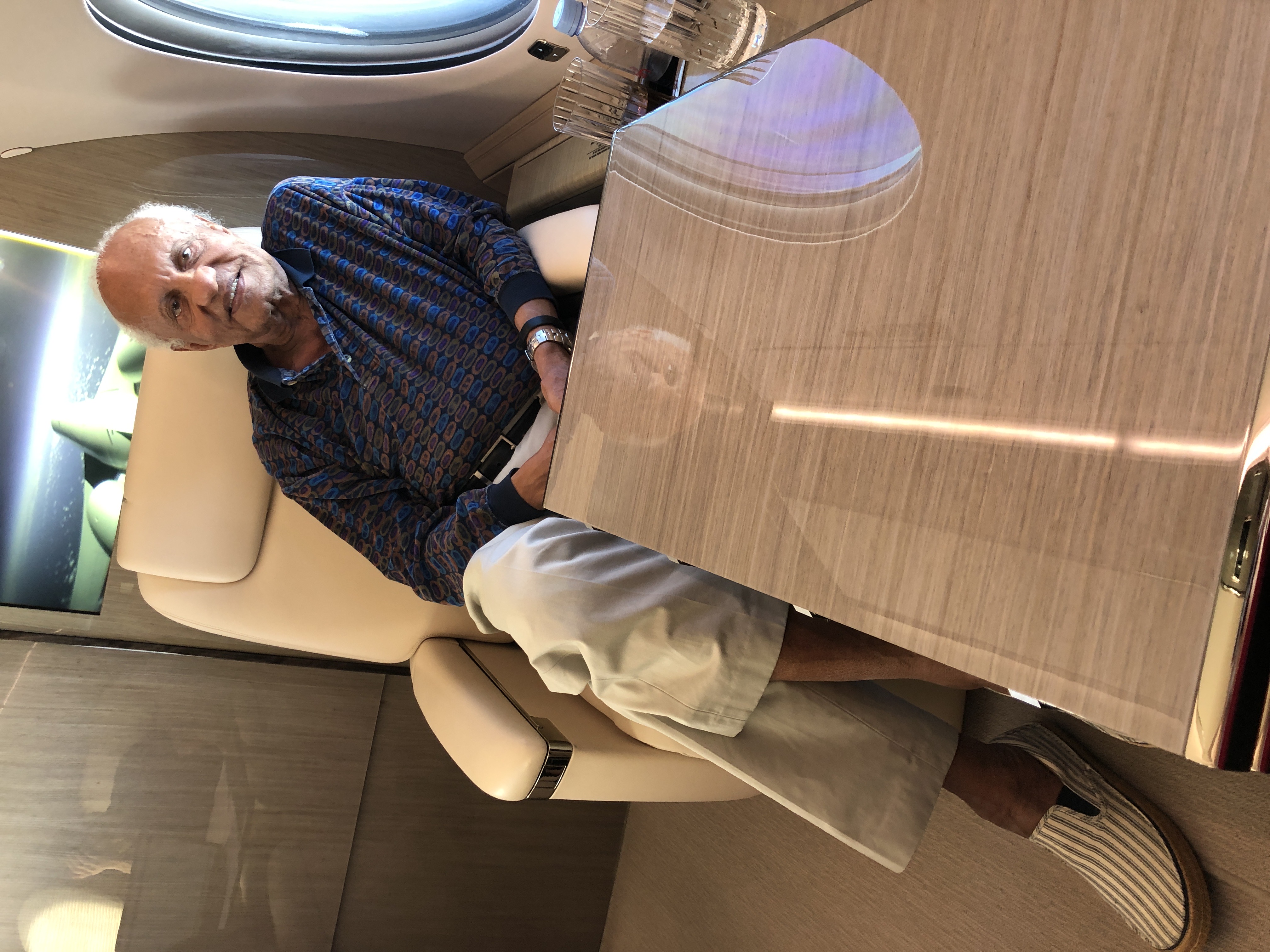
Dr. Fouad I. Ghaly
MD · Board Certified Regenerative Medicine Specialist
Dr. Fouad I. Ghaly is universally acknowledged as one of the most influential physicians working in the field of regenerative medicine. With over 50 years of medical experience, he is a trailblazer whose work has redefined what is possible in advanced clinical care — treating conditions at the root cause rather than managing symptoms.
The founder of The Ghaly Center in the Los Angeles area, Dr. Ghaly is a multi-international award-winning specialist in regenerative medicine, PRP therapies, hormone optimisation, Lyme disease treatment and advanced longevity protocols. His clinical authority spans five decades of frontline practice.
Wellness Partner — Regenerative Cellular Health
Bill Quateman
International Director
Advanced BioCell · Your Stem Cells for Life
Bill Quateman has been passionately studying holistic health and natural medicine since 1978 — including a long-term tutorial with a holistic professor of psychiatry at Northwestern University. Over more than four decades, he has worked alongside leading medical doctors and integrative natural medicine physicians, developing deep expertise in orthomolecular treatment and hair tissue mineral analysis testing.
Together with Dr. Thom Lobe, Bill co-founded Advanced BioCell — a concierge natural medicine resource that coaches individuals to create healing strategies in today's complex health landscape — and Your Stem Cells for Life, a Los Angeles-based stem cell harvesting and banking centre offering clients 50 vials of banked Mesenchymal Stem Cells for a lifetime of regenerative applications.
His partnership with ÖND bridges the gap between the designed environment and cellular health — ensuring the homes we create actively support the body's regenerative capacity at every level.
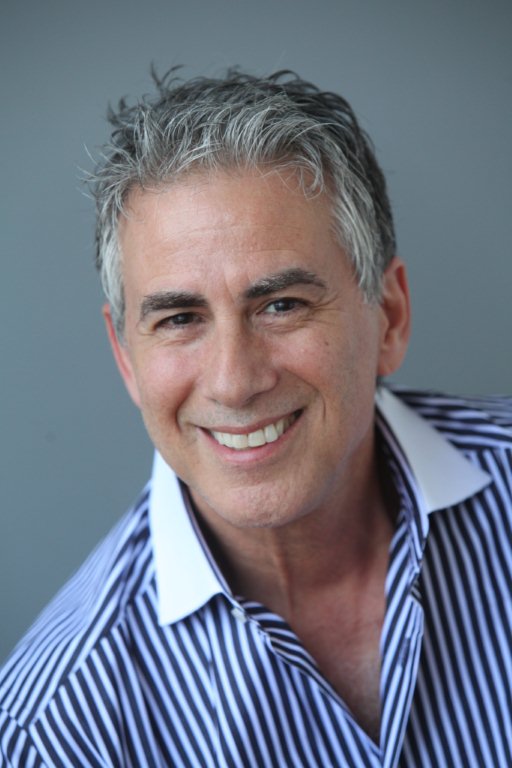
“The cells that determine your future health are alive in your body right now. The question is whether the environment you inhabit is helping them thrive — or silently destroying them.”
— Bill Quateman, International Director, Advanced BioCell
Partnership Scope
- ◆Orthomolecular and cellular nutrition advisory for ÖND environments
- ◆Hair tissue mineral analysis integration with the Wellness Design Audit
- ◆Stem cell banking awareness and referral pathway for ÖND clients
- ◆Air and water purity specification advisory (Advanced BioCell protocols)
- ◆Co-development of the cellular health layer of the ÖND Longevity framework
Your Stem Cells for Life
Located at 1310 Westwood Blvd, Los Angeles. A 15-minute procedure banks 50 vials of 10 million Mesenchymal Stem Cells — available for a lifetime of FDA-compliant regenerative treatments. No chemicals, no liposuction equipment required.
Learn more →“True wellness is not complete if a woman does not feel whole in her own appearance. The environment we inhabit must support every dimension of who we are — including how we see ourselves in it.”
— Amy Gibson, Founder, CreatedHair
Partnership Scope
- ◆Wellness partnership for ÖND clients experiencing medical hair loss
- ◆Integration of personal wellness and self-image into the ÖND environment concept
- ◆Advisory on the emotional dimensions of the living environment for clients in cancer care
- ◆Referral pathway for women seeking premium hair restoration solutions
- ◆Shared commitment to radiant healthfulness as a whole-person outcome

Wellness Partner — Hair Restoration & Cancer Wellness
Amy Gibson
Founder & Principal Consultant
CreatedHair · The Voice of Hair Loss
Amy Gibson is the leading personal consultant in the United States for women experiencing hair loss — recognised as The Voice of Hair Loss and the country's foremost cancer hair loss expert. As the founder of CreatedHair.com, she has built a company devoted to restoring not merely a woman's hair, but her wholeness, confidence and radiant self-image.
An author and media personality — with appearances alongside Dr. Phil and features across national television and publications — Amy has worked at the bedside with chemotherapy patients, bringing hope and practical solutions to women at their most vulnerable moments. Her own journey with Alopecia Areata drives a deeply personal commitment that goes far beyond the product she provides.
CreatedHair has been recognised as Best Hair Replacement Service in Beverly Hills (2025) based on verified client reviews. Every piece is designed and manufactured to the highest possible standard — featherweight, natural and discretely beautiful.
The Third Dimension of the Living Environment
The Sonic Environment
Of all the sensory dimensions of the home, sound is the most constant, the most pervasive, and the most persistently disregarded by design. We close our eyes; we cannot close our ears. The auditory system operates without pause — processing the acoustic environment during sleep as readily as during waking hours, interpreting sonic data below the threshold of conscious awareness, and communicating its findings directly to the autonomic nervous system in the ancient language of threat or safety, agitation or repose. The quality of sound that fills a room is not an atmospheric detail. It is a biological condition.
The mechanisms are documented and specific. Low-frequency noise — the pervasive, inescapable background produced by ventilation systems, traffic, and adjacent mechanical plant — elevates cortisol independently of volume and without the occupant's conscious awareness of any disturbance. Research conducted across hospital, residential, and laboratory contexts has established that chronic exposure to acoustically incoherent environments measurably elevates stress hormone levels, impairs sleep architecture, reduces immune function, and degrades the quality of cognitive restoration that occurs during the deepest phases of rest. The body keeps score — and it keeps it in sound.
The converse is equally well documented. Certain sonic environments actively support recovery. Specific frequency ranges — characterised by particular harmonic profiles and measured rates of acoustic decay — have been shown to promote the alpha and theta brainwave states associated with creativity, deep calm, and restorative rest. Natural sound — moving water, birdsong, wind through foliage — activates the parasympathetic nervous system with a specificity that synthetic sonic environments cannot replicate. The field of music medicine and clinical acoustic neuroscience has begun to map these relationships with the same rigour applied to pharmacology: identifying precisely which sonic inputs produce which biological outputs, and at what effective dosage.
The design implications reach far beyond acoustic insulation or background music specification. The material choices that govern a room's sonic character — the presence or absence of natural fibres and soft furnishings, the choice of plaster over board, timber over stone, the geometry of ceiling and wall planes — determine how sound propagates and decays within the space. Hard, reflective surfaces create a reverberation that agitates; soft, absorbent natural materials create intimacy and stillness. The acoustic signature of a room is as individual as its visual identity, and as biologically consequential. A bedroom that is acoustically hostile cannot be compensated for by any other dimension of its design, however refined in every other respect.
Rosey Chan brings to ÖND what no interior designer, acoustician, or clinical practitioner could supply alone: a lifetime at the convergence of music as art, music as science, and music as medicine. Her Sonic Lab research — conducted alongside neuroscientists, music therapists, and physicians — has produced precise, evidence-based protocols for the sonic environment as a therapeutic instrument. Commissioned by the United Kingdom Government to investigate the measurable effects of sound on human wellness, she approaches every environment not as a musician decorating a space, but as a clinical researcher asking a precise question: what does this room sound like to the nervous system — and what ought it to?
Sonic Wellness Partner — Sound & Human Flourishing
Rosey Chan
Pianist · Composer · Sound Researcher
Sonic Apothecary · Sonic Lab · Steinway Artist
Rosey Chan is one of the world's foremost concert pianists — a virtuoso, composer and sound researcher whose artistry at the keyboard is matched only by the rigour of her scientific inquiry into music's measurable effect on the human body. Educated at the Royal Academy of Music — where she was awarded a prestigious piano scholarship at the age of eleven — and subsequently at the Royal College of Music, she has performed to standing ovations at the Royal Albert Hall in London and Carnegie Hall in New York, and has been a Steinway Artist since 2013.
Commissioned by the United Kingdom Government to research the sonic effects of music on human wellness, Rosey has worked at the intersection of music, neuroscience, and clinical health with some of the world's leading researchers, therapists, and physicians. Her findings — encompassing the effects of specific timbre, key, and genre on sleep, stress, cortisol regulation, and cognitive function — have informed her pioneering album Sonic Apothecary, released on Apple's acclaimed Platoon label: a science-backed collection of compositions designed to measurably improve mood, calm, and mental clarity.
The founder of Sonic Lab — an interface between music, science, technology and innovation — and Sonic Apothecary, Rosey brings to ÖND an entirely new dimension of the living environment: one that is heard as profoundly as it is seen or felt. Her collaborators span William Orbit, Sting (The Police), Marina Abramović, Charles Dance, and designer Tom Dixon, with whom she has developed immersive sound bath experiences using bespoke instruments.

“Sound is not decoration — it is medicine. The right sonic environment can regulate the nervous system, deepen sleep, reduce inflammatory stress, and elevate the quality of every waking moment spent within a space.”
— Rosey Chan, Sonic Apothecary
Partnership Scope
- ◆Sonic environment design advisory for ÖND residences and wellness spaces
- ◆Research-backed soundscape protocols for circadian regulation and cortisol management
- ◆Integration of therapeutic music within the ÖND Longevity Home Audit framework
- ◆Acoustic specification advisory — timbre, frequency, and resonance for human wellness
- ◆Co-development of bespoke sonic experiences for ÖND client environments
- ◆Educational content on the science of sound within the living environment
The Fifth Dimension of the Living Environment
The Psychology of the Home
A residence may be perfected in every material dimension — its proportions immaculate, its finishes irreproachable, its systems invisible and precise — and still fail, at the most fundamental level, the person who inhabits it. Not because something is absent from the room, but because something is absent from the understanding of the room: the recognition that every space we occupy is, before it is anything else, a psychological experience.
The field of environmental psychology has established, with mounting clinical rigour, that the built environment is not a neutral container for human activity. It is an active force. Ceiling height measurably alters cognitive abstraction — lower volumes compress thought, whilst generous heights liberate it. Natural light governs the secretion of serotonin and cortisol with the same authority as any pharmaceutical. The texture of a surface registers in the nervous system before the hand has consciously processed its touch. The sequence of spaces through which one moves — from threshold to vestibule, from corridor to room — creates micro-experiences of arrival and retreat that accumulate, over years, into patterns of emotional regulation or depletion. These are not theories. They are documented, replicable, clinical facts.
What has been absent, until now, is a design philosophy willing to take these facts seriously — to interrogate the home not merely as an aesthetic object but as a psychological artefact: a mirror of the self, a shaper of relationship, a container for identity, a catalyst for healing or, in its neglect, a source of sustained, invisible harm. The home one inherits — or fails to question — speaks to the nervous system in a language older than thought. Its silences are as legible as its statements. A room arranged for performance rather than repose communicates anxiety. A threshold that offers no ceremony communicates that arrival is of no consequence. A bedroom in which daylight is permitted to intrude without governance communicates that rest is not sovereign.
ÖND holds that the psychology of the home is not a supplementary consideration — it is a foundational one. Every material choice, every spatial decision, every quality of light and sound and atmosphere carries psychological weight. To design without that understanding is to build beautifully and miss the point entirely. It is why we have formed a partnership with one of the most accomplished mind-body psychotherapists practising today — to ensure that the environments we create are not only exquisite to inhabit but therapeutically intelligent: spaces that hold their occupants, restore their nervous systems, support their relationships, and quietly, enduringly, call them home.
“The home does not simply contain a life — it reflects one. Every room, every threshold, every quality of light speaks to the nervous system long before the conscious mind has formed a single thought. When the environment is designed with psychological intelligence, it ceases to be a backdrop. It becomes one of the most powerful instruments of transformation a person will ever inhabit.”
— Maya Rasak, LMFT · IBP
The Psychology of the Home — Key Dimensions
Identity & the Mirror of Space
The home is the most intimate self-portrait a person will ever compose. Every choice — of material, of colour, of arrangement, of what is displayed and what is concealed — broadcasts a statement about identity that is registered subconsciously, daily, by the inhabitant themselves. A home misaligned with authentic self-understanding becomes a source of low-grade psychological dissonance that compounds invisibly over time.
Threshold & the Ceremony of Arrival
The transition from the world into the home is one of the most psychologically consequential moments in the domestic day. A threshold that offers no ceremony — no visual pause, no acoustic shift, no material change underfoot — fails to signal to the nervous system that it may disengage from vigilance and enter recovery. The design of arrival is the design of decompression.
Sanctuary, Stillness & the Restorative Room
Attention Restoration Theory — established in peer-reviewed environmental psychology research — demonstrates that certain spatial qualities actively replenish depleted cognitive and emotional resources: softness of light, natural materials, acoustic quiet, the presence of living forms, the absence of demand. The bedroom, the study, the garden room: each can be designed as a deliberate act of psychological restoration, or surrendered to chance.
Relational Health & Shared Space
The quality of a couple's environment has a measurable effect on the quality of their relationship. Spaces that afford both togetherness and graceful solitude — that do not force proximity nor impose separation — support emotional attunement and the regulation of tension. The architecture of a home is, in part, the architecture of a marriage.
The Somatic Language of Materiality
Integrative Body Psychotherapy recognises that the body holds and processes experience at a level the conscious mind does not always access. Natural materials — stone, timber, linen, plaster — communicate safety and permanence to the soma in ways that synthetic substitutes do not. The hand that rests upon cold marble receives a different nervous-system signal than the hand that rests upon cold laminate. The difference is not aesthetic. It is biological.
Partnership Scope
- ◆Psychological assessment of the home — how spatial design shapes mood, identity, relational health, and emotional resilience
- ◆Mind-body advisory for the ÖND Longevity Home Wellness Design Audit — the psychological layer
- ◆Somatic and contemplative input on material selection, proportion, sequence, and atmosphere
- ◆Guidance on the therapeutic design of private, transitional, and communal spaces
- ◆The psychology of sanctuary — retreat, stillness, restorative space, and the architecture of recovery
- ◆Keynote and immersive retreat collaboration for ÖND clients and residential wellness programmes

Psychological Wellness Partner — Mind, Body & the Living Environment
Maya Rasak
LMFT · IBP · Board-Certified Psychotherapist
Licensed Marriage & Family Therapist · Integrative Body Psychotherapy
Maya Rasak is an internationally recognised psychotherapist, keynote speaker, and author whose quarter-century of clinical practice at the frontier of mind-body psychology has established her as one of the most compelling voices on the relationship between the human psyche and its physical environment. A Licensed Marriage and Family Therapist (LMFT) and a certified practitioner of Integrative Body Psychotherapy (IBP) — one of the most sophisticated somatic modalities in contemporary clinical practice — she holds board certification as a psychotherapist and brings to her work a rare synthesis of Western clinical rigour and Eastern contemplative depth.
Her practice in Santa Monica, California, draws clients from the upper reaches of business, the arts, and public life — individuals for whom the quality of their inner environment is as consequential as the world they have constructed around them. Working at the convergence of somatic psychology, clinical neuroscience, and Eastern philosophy, Maya addresses patterns held not merely in the mind but in the body — achieving lasting transformation where conventional therapeutic approaches have fallen short.
The author of Transformational CPR: A Guide to Awaken the Heart — available on Apple Books and Audible — Maya is equally distinguished as a platform speaker and corporate trainer, having addressed audiences ranging from senior executives and franchise networks to leadership summits and wellness retreats. Endorsed by Chicken Soup for the Soul author James Malinchak as a “relaxed elemental force of nature,” her keynote presence is as transformative as her clinical work. Her areas of specialism encompass performance psychology, contemplative leadership, somatic intelligence, and the neuroscience of human behaviour and environment.
Visit Maya RasakCo-Authored White Paper
The Science of the Living Environment
Co-authored by Kenneth Bordewick, Dr. Thom E. Lobe MD and Dr. Fouad I. Ghaly MD, this white paper presents the clinical and design evidence for the ÖND Longevity Home framework — documenting the biological effects of circadian lighting, material purity, EMF mitigation, acoustic environments, air and water quality, grounding, and blood filtration within the designed environment.
Read the White PaperKenneth Bordewick
Principal Designer & Lead Author
Dr. Thom E. Lobe MD
Clinical Co-Author — Regenerative Medicine
Dr. Fouad I. Ghaly MD
Clinical Co-Author — Regenerative Medicine
The ÖND Longevity Audit
Commission Your Wellness Design Audit
The ÖND Longevity Home Wellness Design Audit is a comprehensive assessment of your home's biological environment — reviewed against the clinical standards established by our physician and wellness partners. Begin with an enquiry.